
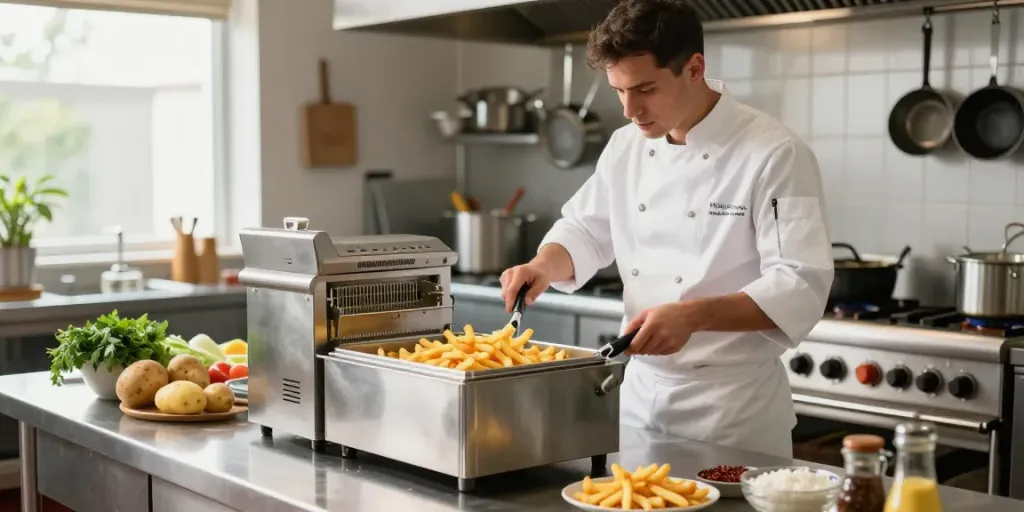
Understanding Catering Fryers: Types and Features
Catering fryers are essential appliances in commercial kitchens, designed specifically for high-volume frying tasks. These machines enable restaurants, food trucks, and catering businesses to produce crispy, golden batches of fried food efficiently. An in-depth understanding of catering fryers, their types, and the features that differentiate them can significantly impact your establishment's productivity and food quality. When exploring options, Catering Fryers provide comprehensive insights to help you make informed choices tailored to your culinary needs.
What Are Catering Fryers?
Catering fryers are specialized cooking equipment used primarily for deep frying a variety of foods, including French fries, chicken, and doughnuts. These fryers are engineered to withstand the rigors of a busy kitchen, designed to heat oil quickly and maintain an even temperature to ensure consistent frying results. Understanding the specific demands of your kitchen will help you decide which type of fryer suits your needs best.
Types of Catering Fryers: Gas vs. Electric
When selecting a catering fryer, the primary distinction lies between gas and electric models:
- Gas Fryers: These fryers utilize natural gas or propane, offering rapid heating and high-temperature capabilities. Gas fryers are often preferred for their efficiency in frying large quantities of food quickly. They are ideal for busy restaurants or catering businesses that require consistent performance.
- Electric Fryers: Electric fryers are more energy-efficient and easier to install, as they don’t require gas lines. While they may take longer to heat up, they provide excellent temperature control, making them suitable for frying delicate items or smaller batches.
Key Features to Consider When Purchasing
Here are some critical features to keep in mind when selecting a catering fryer:
- Capacity: Consider the volume of food you need to fry at once. Fryers come in various sizes, from small countertop models for light use to larger freestanding units for high-volume kitchens.
- Temperature Control: Look for fryers with accurate temperature settings, as maintaining the correct oil temperature is crucial for optimal frying results.
- Ease of Cleaning: Choose fryers designed for easy disassembly and cleaning. Removable oil tanks and filters can save time and labor costs in a busy kitchen.
- Safety Features: Automatic shut-off systems, safety locks, and cool-to-touch exteriors can enhance the safety of operations in a bustling kitchen environment.
Benefits of Using Catering Fryers in Commercial Kitchens
Investing in catering fryers offers numerous advantages that directly benefit commercial kitchens:
Efficiency Gains in Cooking
Catering fryers are engineered to deliver quick heating and consistent frying results, significantly improving operational efficiency. With the ability to fry multiple batches in a short time, these machines help maintain the workflow during peak hours. This efficiency allows chefs to focus on other essential tasks, ensuring that orders are fulfilled promptly.
Quality of Food: Taste and Texture
The temperature control and consistent oil heating provided by catering fryers enhance the quality of the final product. Proper frying techniques ensure that food retains its moisture while achieving a crispy exterior, ultimately improving the taste and texture highly sought after by patrons.
Cost Savings on Ingredients and Energy
High-quality fryers can lead to substantial cost savings in the long run. By efficiently using oil and cooking faster, businesses can reduce ingredient waste and energy consumption. Moreover, modern fryers often come with energy-saving features, helping to lower electricity or gas bills significantly.
Best Practices for Operating Catering Fryers
Maximizing the potential of your catering fryer requires proper operation and maintenance:
Safety Tips When Using Fryers
Safety should be a top priority in any kitchen. Here are essential tips for safe fryer operation:
- Always monitor frying temperatures to prevent overheating and potential fires.
- Ensure that the fryer is placed on a stable surface to avoid accidental tipping.
- Use long-handled utensils to minimize the risk of burns when handling food.
- Keep a fire extinguisher nearby and ensure staff is trained in fire safety protocols.
Maintenance and Care for Longevity
Regular maintenance is vital for ensuring the longevity and efficiency of your fryer. Here are a few maintenance tips:
- Regularly change the oil to ensure optimal frying conditions and flavor quality.
- Clean the fryer daily to remove food particles and grease buildup.
- Check for any wear and tear, particularly on heating elements and temperature controls, and address issues promptly.
Training Staff for Optimal Performance
Proper training of kitchen staff is essential for effective fryer operation. Staff should be educated on safety protocols, correct frying techniques, and maintenance practices. Well-trained employees will lead to consistent food quality and a safer kitchen environment.
Common Challenges with Catering Fryers
Despite their advantages, catering fryers can present challenges that need to be addressed effectively:
Identifying Problems in Frying Quality
Inconsistent frying results can arise from various factors, including incorrect oil temperature, old oil, or overloading the fryer. Regularly monitoring these conditions can help maintain the desired food quality.
Overcoming Equipment Limitations
Each fryer has its limitations, such as capacity and temperature range. Understand these limitations to optimize your fryer’s performance and prevent operational bottlenecks.
Addressing Health and Safety Concerns
Health and safety regulations must be adhered to in commercial kitchens. Regular inspections and following food safety protocols can help prevent health risks associated with frying, such as oil splatter and burns.
Future Trends in Catering Fryers for 2026 and Beyond
The catering industry is evolving, and so are the technologies behind fryers. Here are some trends to watch for in the coming years:
Innovations in Fryer Technology
Technological advancements are continuously improving fryer efficiency and energy consumption. Look for features such as advanced digital controls, automatic filtration systems, and integration with kitchen management software for better operational oversight.
Eco-Friendly Frying Solutions
As sustainability becomes a priority for many businesses, eco-friendly frying options, such as oil filtration and recycling systems, are emerging. These solutions help minimize food waste and promote a greener approach to frying.
The Impact of Consumer Preferences on Fryer Designs
Consumer demand for healthier fried alternatives is influencing fryer designs. Expect to see more fryers that can accommodate low-oil frying methods while maintaining the quality of fried foods.
What Are the Key Benefits of Catering Fryers?
The primary benefits of catering fryers include increased efficiency, improved food quality, and cost savings on both ingredients and energy consumption, making them essential for any commercial kitchen.
How Do Catering Fryers Compare to Traditional Frying Methods?
Catering fryers outperform traditional frying methods by providing consistent results, greater control over cooking temperatures, and improved safety features. They also allow for larger batch cooking, catering to the demands of busy kitchens.
What Maintenance Is Required for Catering Fryers?
Regular maintenance involves changing the oil, cleaning the fryer, and ensuring that the equipment is functioning correctly. Establishing a routine maintenance schedule can enhance the longevity of your fryer.
What Are the Most Popular Catering Fryer Brands?
Some of the most reputable brands in the catering fryer market include Frymaster, Wells, and Vulcan, known for their reliability and performance in commercial kitchens.
How Can I Choose the Right Catering Fryer for My Business?
Consider factors such as your kitchen's frying volume, the types of foods you plan to prepare, and your budget. Consulting with suppliers and reading customer reviews can also provide valuable insights into suitable options.