Understanding the Need to Buy Plant Pots
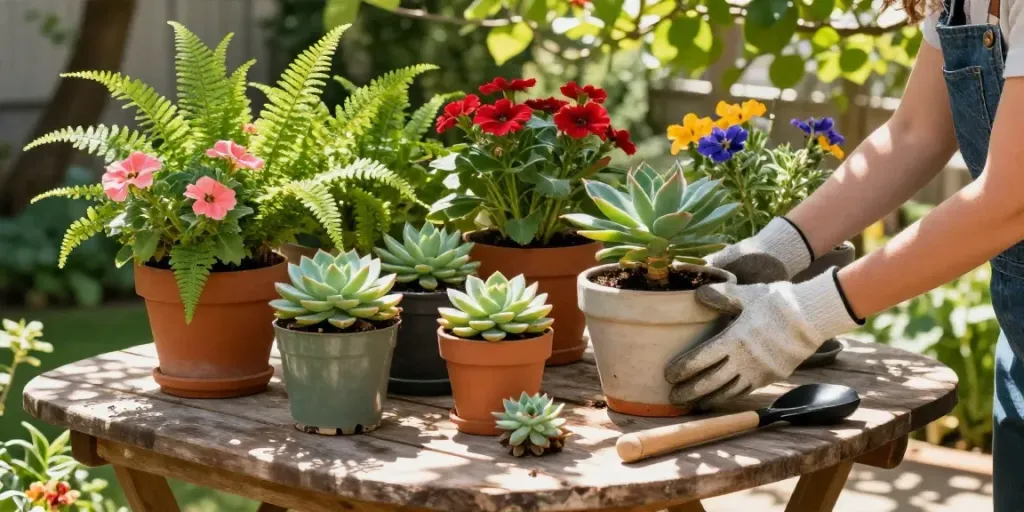
For gardening enthusiasts and novice plant owners alike, the choice to buy plant pots is significant. Plant pots not only enhance the aesthetic appeal of a garden but also play a crucial role in ensuring plant health. The right pot can provide adequate drainage, support root growth, and contribute to the overall success of your gardening endeavors. As more people turn to indoor gardening and urban farming, understanding the value of selecting the perfect plant pot becomes imperative.
Why Are Plant Pots Essential for Home Gardening?
Plant pots serve as the foundation for any successful gardening project. They provide the necessary environment for plants to thrive, whether indoors or outdoors. The right pot can help with soil moisture retention, root expansion, and nutrient absorption. Additionally, aesthetically pleasing pots can transform a dull space into a vibrant oasis, adding value to your home decor while enhancing your mood and creativity.
Common Pain Points in Choosing the Right Plant Pots
Choosing the right plant pots can often be overwhelming. Gardeners frequently face several challenges, including:
- Understanding the appropriate size for their plants
- Deciding on the right material that balances durability with style
- Ensuring pots have adequate drainage to prevent root rot
- Balancing budget considerations with quality
Addressing these issues requires careful consideration and research, ultimately leading to healthier plants and a more enjoyable gardening experience.
Adaptability: Matching Pots to Plant Requirements
Every plant species has unique requirements regarding pot size, material, and drainage. Understanding these needs is crucial for healthy growth. For example, some plants thrive in terracotta pots because they allow for moisture evaporation, while others may prefer plastic pots, which retain moisture better. Additionally, the size of the pot relative to the plant is significant; a small pot may stunt growth, while an excessively large pot can lead to overwatering.
Types of Plant Pots: Finding Your Perfect Fit
Material Choices: Ceramic, Plastic, and More
When selecting plant pots, the material is one of the most critical factors to consider. Various materials offer different advantages:
- Ceramic: These pots are aesthetically pleasing and available in various designs and colors, making them ideal for indoor settings. Their porous nature allows roots to breathe, though they may not be as durable as other materials.
- Plastic: Lightweight and often cheaper, plastic pots are perfect for outdoor use and are available in numerous styles. They can be prone to UV damage and may not provide as much insulation for roots as clay or ceramic.
- Biodegradable Materials: These eco-friendly options are becoming more popular as people look for sustainable gardening solutions. They decompose over time and can nourish the soil as they break down, providing a dual-purpose solution.
Size Matters: Matching Pots to Plant Growth
Choosing the correct size pot for your plants is crucial. A pot that's too small can restrict root growth, while a pot that's too large may retain too much moisture, leading to root rot. Generally, it's recommended to select a pot that's about 2 inches larger in diameter than the current pot for repotting.
Decorative vs. Functional: Striking a Balance
When buying plant pots, it's essential to balance aesthetics with functionality. While decorative pots can enhance the beauty of your space, they should also meet the plant's physical requirements. Look for pots that are not only stylish but also offer features such as drainage holes and proper size dimensions.
Where to Buy Plant Pots: Top Retailers and Online Options
Comparing Pricing: Budget-Friendly Options vs. Premium Brands
There is a wide range of prices when it comes to plant pots. Budget-friendly options abound at local garden centers or big-box stores. On the other hand, premium brands often offer unique designs, specialized materials, and enhanced durability. It's worthwhile to compare prices across retailers, ensuring you get the best value.
Benefits of Local Nurseries vs. Online Shopping
While local nurseries provide the advantage of immediate availability and expert advice, online shopping offers convenience and often a wider selection. Websites like Get Potted offer diverse options for various styles and budgets. Consider your needs when choosing where to buy, as both avenues have their benefits.
Seasonal Sales and Promotions for Plant Pots
Many retailers offer seasonal sales, especially during spring and summer, which can be a great time to purchase plant pots. Keep an eye out for clearance sections and discount events to save more on your gardening supplies.
Care and Maintenance of Your Plant Pots
Best Practices for Cleaning and Storing Pots
Mud and mineral buildup can detract from the appearance of your plant pots and may also harbor pathogens. Regular cleaning is essential. Simple steps like scrubbing with mild soap and water, followed by thorough rinsing, can keep your pots in great condition. During off-seasons, store your pots in a dry, cool place to avoid damage.
Drainage Solutions: Ensuring Plant Health
One of the most important features of any plant pot is proper drainage. Without adequate drainage, plants can suffer from overwatering. Consider using pots with built-in drainage holes, or if you have a decorative pot without holes, use a liner with holes to separate the soil from the decorative exterior. Additionally, adding a layer of gravel at the bottom of the pot can facilitate drainage.
Innovative Features: Self-Watering and Smart Pots
Modern technology has resulted in innovative plant pot features, such as self-watering systems that help maintain optimal moisture levels. Smart pots equipped with sensors can alert you when your plants need water or when the soil conditions aren't ideal. These technologies are perfect for busy gardeners who want to ensure their plants remain healthy without constant monitoring.
The Future of Plant Pots: Trends to Watch
Sustainable Materials: Eco-Friendly Options for 2026
As we move towards 2026, sustainability will continue to be a significant trend in gardening. Many manufacturers are embracing eco-friendly materials, such as recycled plastics, bamboo, and biodegradable composites. These materials not only reduce environmental impact but also provide attractive options for conscious consumers.
Design Innovations: Smart Technology in Gardening
The rise of smart gardening tools is changing the landscape of plant care. Innovations such as pots that monitor soil health or integrate with home automation systems can simplify gardening for busy lifestyles. As these technologies become more affordable, expect an increase in their popularity among plant enthusiasts.
Community Trends: Sharing Experiences and Styles Among Gardeners
Online gardening communities are thriving, with enthusiasts sharing advice, styles, and the latest trends in plant pots. Platforms like social media and gardening blogs facilitate learning and inspiration, creating a shared space for gardeners to explore new ideas and practices.
Where is the best place to buy plant pots?
Finding the best place to buy plant pots depends on your specific needs and preferences. Local garden centers often offer quality options and personal service, while online retailers can provide a vast selection at competitive prices.
What materials are recommended for plant pots?
Common materials include ceramic, plastic, and biodegradable options. Each has its benefits depending on your gardening style and the specific needs of your plants.
How can I choose the right size pot for my plant?
Select a pot that's about 2 inches larger in diameter than the current pot for optimal growth. This allows room for root expansion without overwhelming the plant.
What are the benefits of self-watering plant pots?
Self-watering pots help maintain consistent moisture levels, reducing the risk of over or underwatering. They are particularly beneficial for busy individuals or those new to plant care.
How do I maintain my plant pots for longevity?
Regular cleaning, proper storage during off-seasons, and ensuring adequate drainage are key practices to maintain the longevity of your plant pots.