
Understanding the Benefits of a Cat Tree
For millions of cat owners around the world, a cat tree is not just a piece of furniture; it's a vital component of a happy home. These multi-level structures have become essential for indoor cats, offering them a safe space to climb, scratch, and play. With the right cat tree, you can mimic the vertical spaces that cats naturally seek out, ensuring they have the stimulation they require to stay healthy and active.
Why Your Cat Needs a Cat Tree
Understanding why your cat needs a cat tree involves recognizing their instincts. Cats are natural climbers; in the wild, they would seek high vantage points to survey their territory, stay safe from predators, and rest. Providing a cat tree meets these instinctual needs while also allowing them to express their natural behaviors in a safe environment. Furthermore, a well-chosen cat tree can prevent destructive behaviors, such as scratching furniture, by providing designated areas for these activities.
Social and Physical Benefits for Cats
On a social level, cat trees can enhance interactions between multiple cats. For households with more than one feline, a cat tree creates hierarchy by allowing cats to choose their level, thus reducing territorial disputes. Physically, cat trees promote exercise, which is crucial for a cat’s overall health. Climbing, jumping, and scratching on a cat tree helps maintain their muscle tone and keeps their weight in check. This is especially important in indoor cats, who may lack opportunities for spontaneous play and exercise.
Enhancing Your Home Environment
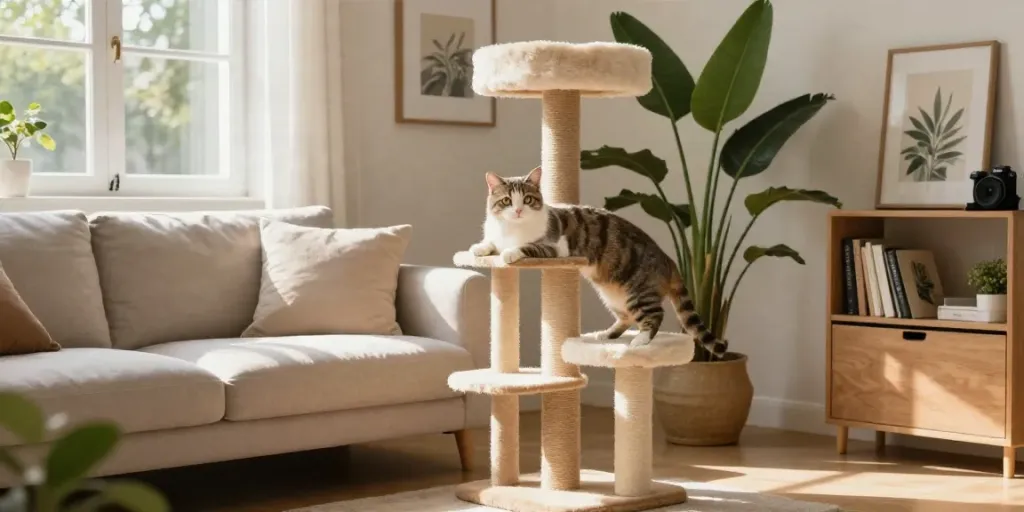
Integrating a cat tree into your living space can significantly elevate your home environment. Not only does it provide functional benefits, but it can also act as a stylish addition. Modern designs exist that blend with home decor, ensuring that pet parents do not have to sacrifice aesthetics for their pet’s needs. Whether you prefer a sleek wooden structure or a whimsical fabric-covered tower, there’s a cat tree out there that will fit right into your home.
Selecting the Right Cat Tree for Your Home
Choosing the ideal cat tree involves more than just picking a pretty piece of furniture; it’s about considering your cat's behaviors, preferences, and needs. The market offers a wide variety of options, so taking the time to assess your choices is crucial for long-term satisfaction.
Factors to Consider When Choosing a Cat Tree
When selecting a cat tree, consider the size of your cat and the dimensions of your living space. Larger breeds like Maine Coons may require sturdier structures with ample space, while smaller cats might prefer a compact, multi-level option. Additionally, think about the number of cats you have. A multi-cat household benefits from a larger, more intricate tree with multiple perches and scratching posts to minimize competition.
Material Quality and Safety Features
Quality matters. Look for cat trees constructed from durable materials that can withstand daily wear and tear. Solid wood or high-quality engineered wood tends to last longer than particleboard. Safety features, such as sturdy bases and non-toxic materials, are essential to prevent accidents and ensure your cat’s health. Additionally, check for features like removable, washable covers, which make maintenance a breeze.
Size Options for Different Cat Breeds
Selecting the right size cat tree is crucial. For smaller breeds, a compact tree with lower perches may suffice, while larger breeds require trees with higher shelves and more structural integrity. Ensure that the tree is tall enough for your cat to stretch and climb comfortably, as this will add to their enjoyment and utilization of the tree.
Setting Up Your Cat Tree Effectively
Once you’ve selected the perfect cat tree, it's time to set it up in a way that maximizes its benefits. The placement and integration of the tree into your home can significantly influence your cat's engagement.
Ideal Locations for Your Cat Tree
Positioning your cat tree in a high-traffic area can boost your cat's interest in it. Cats love to observe their surroundings, so placing the tree near windows or in a space where they can watch the family activity will encourage use. It’s also wise to avoid placing the tree in corners, as cats prefer to feel exposed while they are perched up high.
Integrating the Cat Tree into Your Home Decor
Modern cat trees come in various styles and colors, allowing for better integration with your home decor. Opt for a design that complements your furniture style, whether it’s a chic mid-century modern design or a rustic, natural wood finish. This will ensure that your cat tree enhances the aesthetic of your room rather than detracting from it.
Encouraging Your Cat to Use the Tree
Encouraging your cat to use their new tree can involve a little patience. Initially, placing their favorite toys on the tree or using catnip can entice them to explore. You might also demonstrate climbing by interacting with them at various levels of the tree. Cats are naturally curious, so once they begin to explore, they’ll likely find their preferred spots for lounging and climbing.
Maintaining and Caring for Your Cat Tree
Proper maintenance of your cat tree will prolong its lifespan and keep it looking fresh. Regular cleaning is essential, not just for aesthetic purposes but to ensure a healthy environment for your cats.
Regular Cleaning and Maintenance Tips
Cleaning your cat tree should be part of your routine, especially if your cats shed a lot. Vacuum the surface regularly to remove hair and dander, and clean the scratching posts to eliminate any lingering odors. Most removable covers can be machine-washed, which makes maintaining hygiene more manageable.
Signs of Wear and When to Replace
Be vigilant for signs of wear, such as fraying fabric, loose perches, or damaged scratching posts. If the stability of the tree is compromised, it may be time for a replacement. Regularly inspect the structure to ensure that it remains safe for your pets.
Enhancing the Cat Tree Experience with Accessories
Consider enhancing your cat tree experience with accessories such as hanging toys or ramps. These additions can provide extra stimulation and encourage physical activity. Also, consider integrating shelves or perches that can accommodate lounging or sleeping spots, making the cat tree a multi-functional piece of furniture.
Future Trends in Cat Trees for 2026
As we move into 2026, the landscape of pet furniture continues to evolve. Innovations in design and materials will significantly impact choices for pet owners.
Innovative Designs and Features to Look For
Future cat trees are expected to feature more modular designs, allowing for customization and adaptability to spaces. This means cat trees can grow with your cat, accommodating varying needs throughout their lives. Look for features like built-in dens or compartments that serve multiple functions, enhancing the cat’s experience.
Eco-Friendly Materials and Sustainability Practices
With increasing awareness of environmental issues, many manufacturers are gearing up to use sustainable materials in their products. Expect to see cat trees made from recycled materials or sustainably sourced woods. This not only benefits the planet but also appeals to eco-conscious consumers.
Smart Technology Integration in Pet Products
Future cat trees may integrate smart technology, allowing owners to monitor their pets' activities remotely. This could include features such as built-in cameras, activity trackers, or even automated treats dispensers that can provide entertainment when you're away. As smart home technologies advance, it’s likely that our pets will benefit from these innovations as well.
Is it Worth Getting a Cat Tree?
Many pet owners grapple with whether investing in a cat tree is worth it. The answer generally leans towards the positive, especially considering the physical and psychological benefits a cat tree provides. Not only does it cater to your cat’s climbing instincts, but it also serves as a safe haven for relaxation and play.
What is the 3-3-3 Rule for Cats?
The 3-3-3 rule is a guideline for how cats typically adjust to new environments. It suggests that new cats may take up to three days to adjust to their new home, three weeks to start feeling comfortable, and three months to settle in fully. A cat tree can significantly aid this adjustment period by providing a safe space and vertical territory.
Are Cat Trees Good for Cats?
Yes, cat trees are beneficial for cats. They provide essential outlets for scratching, climbing, and sleeping, and promote physical activity. Furthermore, they can prevent unwanted behavior by redirecting your cat's natural instincts to appropriate outlets.
How Much is a Costco Cat Tree?
Costco offers a variety of cat trees at competitive prices, typically ranging between $50 to $200 depending on size and features. These trees are often well-constructed and provide good value for multi-cat homes.
What Factors Influence the Price of a Cat Tree?
Several factors influence the price of a cat tree, including size, materials, brand, and features. Premium models with additional functionalities such as tunnels or incorporated scratching posts will generally be priced higher than simpler designs. Additionally, trees made from higher-quality materials tend to cost more due to their durability and safety features.