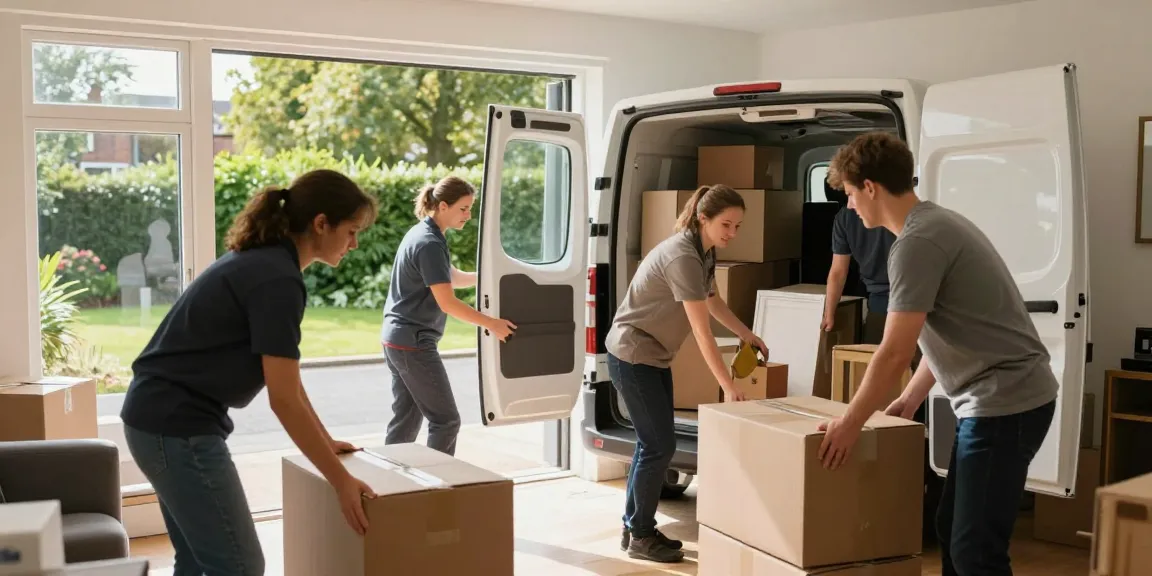
Understanding the Role of Furniture Movers in Relocation
When it comes to relocating your home or office, the role of furniture movers is indispensable. These professionals streamline the moving process, ensuring that your belongings are transported safely and efficiently. From packing and loading to transportation and unloading, furniture movers play a critical role in helping you transition smoothly to your new environment.
What Do Furniture Movers Do?
Furniture movers provide a comprehensive range of services aimed at facilitating relocations. Their primary responsibilities include:
- Packing: Carefully wrapping and packing items to prevent damage.
- Loading: Efficiently loading furniture and boxes into moving vehicles.
- Transportation: Safely transporting items to the new location.
- Unloading: Unpacking and setting up furniture at the new site.
By engaging furniture movers, clients can focus on other aspects of their move, such as settling into their new space.
Benefits of Hiring Professional Movers
Employing professional furniture movers comes with numerous advantages, including:
- Expertise: Professional movers have the experience and knowledge to handle various items, including heavy and delicate furniture.
- Time-Saving: They can execute a move much faster than the average person.
- Safety: Movers use proper techniques and equipment to reduce the risk of injury or damage.
- Insurance: Many moving companies offer insurance options, providing peace of mind in case of any unforeseen incidents.
Common Misconceptions about Furniture Moving
Many people hold misconceptions about the furniture moving industry. Some of the most prevalent include:
- It’s too expensive: While hiring movers may seem costly, the long-term benefits often outweigh the initial expense.
- All movers are the same: There are vast differences in service quality, experience, and reliability among moving companies.
- DIY is better: Many underestimate the challenges involved in a DIY move until they face them firsthand.
Preparing for Your Move with Furniture Movers
Preparation is essential for a successful move. Here are key steps to ensure everything goes smoothly.
How to Choose the Right Furniture Moving Company
Selecting the right furniture moving company requires careful consideration. Here are some tips:
- Research: Read reviews, check ratings, and ask for recommendations.
- Quotes: Obtain multiple quotes and compare the services offered.
- Credentials: Ensure the company is licensed and insured.
- Experience: Look for a company with a proven track record of successful moves.
Essential Packing Tips for a Smooth Transition
Packing is a crucial aspect of the moving process. To enhance your packing experience:
- Start Early: Begin packing non-essential items well in advance of your move.
- Use Quality Supplies: Invest in sturdy boxes, bubble wrap, and packing tape.
- Label Everything: Clearly mark boxes with their contents and designated rooms to simplify unpacking.
What to Communicate with Your Movers Before the Move
Clear communication with your movers is vital for a smooth process. Ensure you discuss:
- Inventory: Provide a detailed list of all items being moved.
- Access Issues: Mention any potential challenges such as stairs, narrow doorways, or parking limitations.
- Special Items: Inform them about fragile, heavy, or valuable items that may need special handling.
The Furniture Moving Process Explained
Understanding the furniture moving process can alleviate much of the stress involved in relocating.
Step-by-Step Guide to a Successful Move
The moving process typically unfolds in the following steps:
- Initial Consultation: Discuss your needs with the moving company.
- Packing: Movers begin packing your belongings, ensuring everything is secure.
- Loading: Items are carefully loaded into the moving truck.
- Transportation: Movers transport your belongings to the new location.
- Unloading: Once arrived, your items are unloaded and placed where you desire.
- Final Walkthrough: Conduct a walkthrough to ensure everything is in order.
Understanding Moving Day: Roles and Responsibilities
On moving day, each person has a role to play:
- Movers: Responsible for the physical aspects of the move.
- Homeowner: Should be available for questions or special instructions.
- Family/Friends: Can assist in managing logistics and providing moral support.
Best Practices for Loading and Unloading Furniture
Loading and unloading furniture require careful planning:
- Load Heavy Items First: Place heavier pieces at the bottom to create a stable base.
- Protect Surfaces: Use blankets or pads to prevent scratches and damage.
- Teamwork: Always lift with assistance to avoid injuries.
Challenges Faced by Furniture Movers
The moving industry is rife with challenges. Understanding these can provide insight into how movers excel.
Common Obstacles in Furniture Moving
Movers often confront issues such as:
- Road Conditions: Traffic and weather can complicate transportation.
- Access Challenges: Difficult parking situations or narrow streets pose logistical problems.
- Time Constraints: Many moves have strict deadlines that must be met.
How Movers Handle Fragile and Bulky Items
Special care is essential when dealing with fragile and bulky items:
- Padded Wrapping: Fragile items are carefully wrapped in specialised materials.
- Custom Crating: Custom crates are often built for valuable or unique pieces.
- Proper Equipment: Movers use dollies, ramps, and lifts to safely navigate heavy items.
Innovative Solutions in the Moving Industry
As the moving industry evolves, innovative solutions emerge:
- Technology: Apps and software streamline scheduling and tracking.
- Sustainable Practices: Eco-friendly materials and methods reduce environmental impact.
- Flexible Options: Many companies now offer customisable moving packages tailored to individual needs.
Future Trends in Furniture Moving Services for 2026
The future of furniture moving will undoubtedly be shaped by evolving consumer needs and technological advancements.
Technological Advancements Impacting the Industry
Future trends will likely include:
- Smart Logistics: Companies may employ AI-assisted route planning for efficiency.
- Virtual Surveys: Virtual consultations might replace traditional estimates, saving time and resources.
- Augmented Reality: This could help clients visualise furniture placement in new spaces before moving.
Emerging Practices for Sustainable Moving
Sustainability will play a crucial role in future moving services:
- Recycled Materials: More companies will adopt recyclable packing materials.
- Carbon Offsetting: Movers may offer options to offset their carbon footprint.
- Eco-Friendly Vehicles: The use of electric or hybrid moving trucks could become commonplace.
Predictions for Customer Expectations in the Moving Services
As customer awareness increases, expectations will shift towards:
- Transparency: More clients will demand clear pricing and service explanations.
- Personalisation: Tailored moving experiences that cater to unique customer preferences.
- Enhanced Customer Service: Support throughout the moving process will become a priority.