
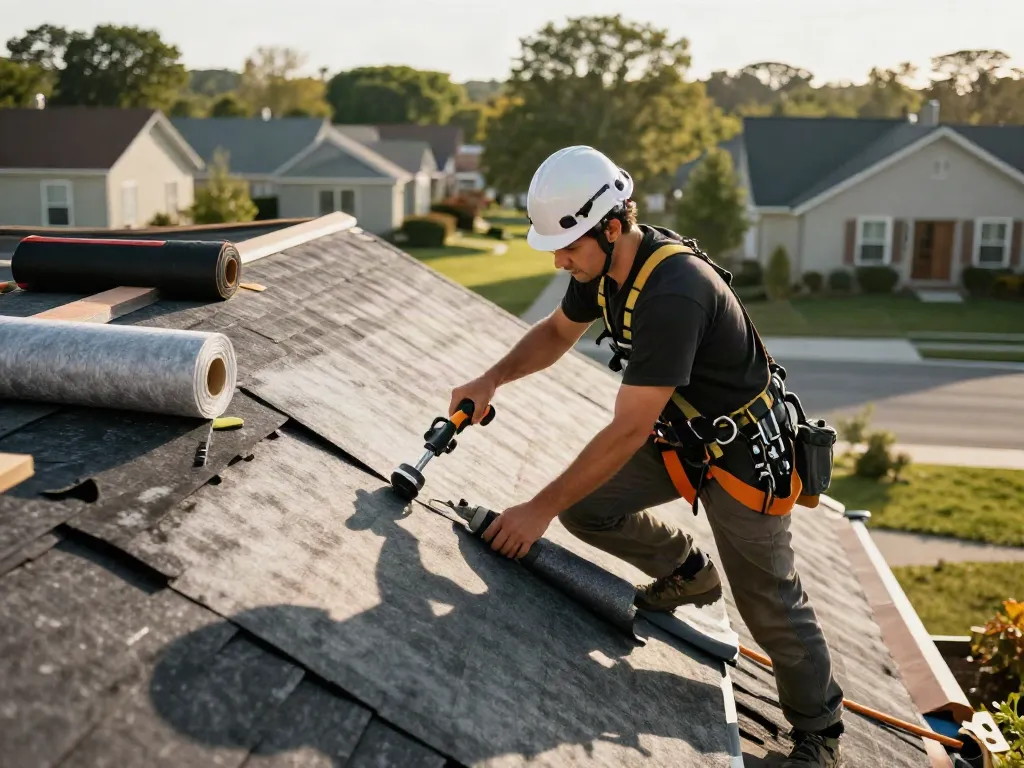
Understanding Felt Roofing
Felt roofing has become a popular choice for homeowners looking for a durable and cost-effective solution for flat or low-pitched roofs. This roofing system is made of felt, which acts as a barrier against the elements, ensuring that roofs remain waterproof while offering a degree of insulation. When exploring options, felt roof specialists can provide comprehensive insights into the best practices and materials available for your specific needs.
What is a Felt Roof?
A felt roof consists of a series of layers of roofing felt and is typically used for flat or low-pitched roofs. The main purpose of this type of roofing is to provide a waterproof barrier that protects the underlying structure from moisture and adverse weather conditions. Felt roofing is commonly used in garages, garden sheds, and extensions due to its affordability and ease of installation.
The Composition of Modern Felt Roofing Systems
Modern felt roofing systems utilize several materials to enhance durability and weather resistance. The primary component is an asphalt-saturated felt, which is applied in layers. These layers are often reinforced with fiberglass or polyester to resist tearing and cracking. Additionally, some systems incorporate a mineral surface that protects against UV rays and ensures longevity.
Advantages of Choosing Felt Roofs for Your Home
- Cost-Effectiveness: Felt roofs are generally less expensive than traditional roofing materials such as tiles or slate, making them an affordable choice for many homeowners.
- Ease of Installation: The lightweight nature of felt roofing materials allows for quick and straightforward installation, often requiring less labor than heavier alternatives.
- Water Resistance: When installed correctly, felt roofing provides excellent waterproofing capabilities, preventing leaks and water damage.
- Flexibility: Felt roofing can be shaped and fitted to irregular roof designs, ensuring that all areas are adequately covered.
Why Experienced Roofers Matter
Hiring a qualified and experienced roofer is crucial when considering the installation or repair of felt roofing. Professionals bring the necessary skills to ensure that the roofing system is installed correctly and meets all local building regulations.
Importance of Hiring Licensed and Insured Roofers
Choosing licensed and insured roofers guarantees that you are working with professionals who adhere to industry standards. Licensed contractors have demonstrated their knowledge and competency, while insurance protects both you and the contractor from potential accidents or damages during the project.
How Experience Influences Quality of Installation
Experienced roofers can identify potential problems before they arise, ensuring a higher quality of installation. Their familiarity with various roofing materials and techniques allows them to tackle challenges effectively, providing longevity and reliability to your felt roof.
Checking References and Previous Work: Best Practices
When selecting a roofer, checking their references and past projects is essential. Asking for examples of previous work and customer testimonials can provide insight into their professionalism and quality of service. Homeowners should also consider looking for online reviews and ratings.
Common Issues with Felt Roofs
Like any roofing system, felt roofs can encounter problems over time. Being aware of potential issues can help homeowners take proactive measures to maintain their roofs efficiently.
Identifying Signs of Damage and Wear
Common signs of damage include blistering, cracking, or lifting of the felt material. Homeowners should conduct regular inspections and look for signs of water pooling or leaks inside the building, particularly during or after heavy rain.
Challenges in Maintenance and Repair
Maintaining a felt roof requires regular inspections and timely repairs to prolong its lifespan. However, challenges may arise if there are hidden damages that are not apparent during visual inspections. Homeowners should be proactive and consult with professionals to assess the roof condition.
What Homeowners Should Know About Longevity
The longevity of a felt roof can vary based on several factors, including the quality of materials used, installation techniques, and maintenance routines. On average, a well-installed felt roof can last between 10 to 20 years, but regular care and timely repairs can extend its service life significantly.
Comparing Roofing Quotes
Understanding how to evaluate and compare quotes is vital for homeowners looking to install or replace their felt roof. This ensures you get the best value for your investment.
How to Evaluate Different Roofing Proposals
When reviewing quotes, homeowners should look for detailed breakdowns that outline the scope of work, materials used, and total costs involved. A precise estimate helps to avoid unexpected expenses later in the project.
What to Look for in a Detailed Quote
A comprehensive quote should include the type of felt to be used, labor costs, estimated completion time, and warranty information. Additionally, consider whether the quote includes post-installation support or maintenance services.
Understanding Price Variations in Roofing Services
Price differences among contractors can be attributed to various factors, including material quality, labor costs, and the complexity of the job. It's important to remember that the cheapest option may not always provide the best value.
Future Trends in Roofing Technology
As the roofing industry evolves, new technologies and materials are emerging that enhance the performance and sustainability of felt roofing systems.
Emerging Materials and Techniques for Felt Roofing
Innovative materials, such as synthetic felts and eco-friendly options, are becoming increasingly popular. These materials often offer superior durability and environmental benefits compared to traditional felt products.
How Eco-Friendly Solutions Are Shaping the Industry
With a growing emphasis on sustainability, many contractors are now offering environmentally friendly felt roofing solutions. Options like recyclable felt and low-impact adhesives can reduce the overall environmental footprint of roofing projects.
The Future of Roof Maintenance: Technology Innovations
Technological advancements, such as drones for inspections and smart monitoring systems, are set to revolutionize roof maintenance. These innovations can help homeowners monitor their roof’s condition remotely, ensuring timely maintenance and repairs.
What is a felt roof?
A felt roof is a common choice for flat and low-pitched roofs that provides a waterproof barrier to protect the underlying structure from the elements.
What are the disadvantages of felt roofing?
Felt roofing can be prone to damage from UV exposure and may require regular maintenance to prevent leaks and deterioration over time.
Is roofing felt 100% waterproof?
While roofing felt is designed to be water-resistant, it is not entirely waterproof. Proper installation and maintenance are crucial to ensuring effective waterproofing.
What do roofers use instead of felt?
Alternatives to felt roofing include materials like EPDM rubber, TPO, and PVC which offer various benefits in terms of durability and ease of maintenance.
How long does a felt roof last?
The lifespan of a felt roof typically ranges from 10 to 20 years, depending on the quality of materials and the level of maintenance performed.